Friday, 31 October 2008

SVN Setup in Windows XP


1> Install SVN
I have installed “Setup-Subversion-1.5.1.en-us” in C:\Program Files\Subversion
2> Install svnserve as a Windows service
I have downloaded SVNService from this locationhttp://www.stanford.edu/%7Ebsuter/subversion-setup-guide/SVNService.zip
Find “SVNService.exe” file and copy it into Subversion’s bin directory C:\Program Files\Subversion\bin
3> Create SVN Repository and run SVNService
Create a SVN repository (I named it as ‘svn-repos’ in C drive) and run SVNService for that repository, by running this command in command prompt.
SVNService -install -d -r C:\svn-repos
4> Make sure that the Subversion service runs automatically
Go to Control Panel -> Performance and Maintenance -> Administrative Tools -> Computer Management -> Services, you will find service with name “SVNService”.
Go to properties of this service by right click on service and make sure that startup type is “Automatic.”
Now Subversion service runs automatically when the computer turns on.
Click on start if it is first time.
5> Install TortoiseSVN and create a Repository
TortoiseSVN is a convenient client for interacting with a Subversion repository
I have installed “TortoiseSVN-1.4.5.10425-win32-svn-1.4.5” fromhttp://tortoisesvn.net/downloads
Create project(ex:myproject) by creating “myproject” folder inside C:\svn-repos
Right click on myproject folder and you will find TortoiseSVN option in that click on “create repository here…” option and go with default options. Now you have created repository for myproject and inside some folders are created like conf,dav,db,hooks etc…
6> Confirm repository access
For local confirmation run this command
svn info svn://localhost/myproject
for remote confirmation run this command in remote system
svn info svn://ip_address_of_repository_system/myproject
7> Authentication for Repository
If you want you can make authentication for your repository by uncomment these lines
anon-access = read
auth-access = write
password-db = passwd
from conf/svnserve.conf file and uncomment these lines
harry = harryspassword
sally = sallyspassword
from conf/passwd file. You can add new user (username “user1” and password “user1passwd” ) by adding this line
user1 = user1passwd
Finally restart the svnservice
8> Access from remote system using authentication
Assume ip address for repository system has xxx.xx.xxx.xx
For checkout myproject file you have to run this command
svn co svn://xxx.xx.xxx.xx/myproject –username user1 –password user1passwd

Wednesday, 1 October 2008

Ajanta Maharashtra


Ajanta Caves: A Timeless Masterpiece of Buddhist Art

Located approximately 107 kilometers from Aurangabad, the Ajanta Caves are an awe-inspiring treasure trove of ancient Buddhist art, architecture, and spirituality. Nestled in a scenic gorge shaped like a gigantic horseshoe, these rock-cut caves are a testament to India’s rich cultural heritage.

A Glimpse into History

The Ajanta Caves, carved between the 2nd century BCE and 6th century CE, are among the finest examples of early Buddhist architecture. They include:

  • Chaitya Halls (Shrines): Dedicated to Lord Buddha, these halls served as places of worship.
  • Viharas (Monasteries): Used by Buddhist monks for meditation and studying Buddhist teachings.

Art and Narratives

The caves are adorned with exquisite paintings and sculptures that narrate the life and teachings of the Buddha. The artwork, found on the walls and ceilings, vividly illustrates Jataka tales—stories of the Buddha’s previous incarnations as Bodhisattva, a compassionate being destined to attain enlightenment.

Key Highlights:

  • The paintings reflect themes of compassion, spirituality, and human emotion, rendered with remarkable detail and vibrant natural colors.
  • The sculptures exhibit masterful craftsmanship, portraying Buddhist divinities and episodes from the Buddha’s life.
  • The serene ambiance of the caves, combined with their architectural brilliance, makes them a marvel of ancient engineering and art.

Why Visit Ajanta Caves?

The Ajanta Caves offer more than just a historical journey—they provide a glimpse into the spiritual and artistic endeavors of ancient India. This UNESCO World Heritage Site continues to inspire awe with its timeless beauty and profound cultural significance.

Tips for Visitors:

  • Travel Preparation: The caves are best explored with comfortable footwear and a flashlight for darker sections.
  • Best Time to Visit: November to March for pleasant weather.
  • Guides: Hiring a knowledgeable guide will enhance your understanding of the intricate paintings and sculptures.

A visit to the Ajanta Caves is a journey back in time, immersing you in the splendor of Buddhist art and the enduring legacy of India’s spiritual heritage.


Monday, 29 September 2008

MM(Malaya Madeshwara) Hills


Malai Mahadeshwara Hills: A Sacred Shaiva Pilgrim Town

Malai Mahadeshwara Hills (M.M. Hills) is a revered temple town located in the eastern part of Kollegal taluk, Chamarajanagar district of Karnataka. Nestled amidst scenic landscapes, this site is dedicated to Lord Sri Mahadeshwara, an incarnation of Lord Shiva, making it a prominent Shaiva pilgrimage center.

Spiritual Significance

The temple attracts thousands of devotees from Karnataka and Tamil Nadu, who come to seek blessings and witness the mystical aura of Lord Sri Mahadeshwara. The miracles of the deity are celebrated in vibrant janapada-style folk songs, adding cultural richness to the spiritual experience.

The Seven Hills

According to tradition, the region is surrounded by seven sacred hills, identified in the Puranas as:

  1. Anumale
  2. Jenumale
  3. Kanumale
  4. Pachchemale
  5. Pavalamale
  6. Ponnachimale
  7. Kongumale

These hills collectively form the Malai Mahadeshwara Betta (M.M. Hills), offering breathtaking views and a serene environment.

Location and Access

  • Distance: Approximately 125 km from Mysore.
  • Ghat Section: A 15 km stretch of winding roads through the hills adds a touch of adventure to the journey. While the roads are manageable, driving cautiously is recommended.
  • Famous Spot: This location gained popularity as one of the shooting sites for a song from the Kannada movie “Jogi.”

Things to Know:

  • The primary attraction here is the Mahadeshwara Temple; there are no other tourist spots in the vicinity.
  • Visitors can immerse themselves in the tranquility of the hills and the spiritual ambiance of the temple.

Tips for Visitors:

  • Essentials: Carry water, snacks, and other necessities, as amenities in the area are limited.
  • Best Time to Visit: Early mornings or during major festivals to witness vibrant temple rituals.

Malai Mahadeshwara Hills is more than just a pilgrimage—it is a serene retreat for those seeking peace, spirituality, and a deeper connection with nature.


Gopalswamy Hills Mysore


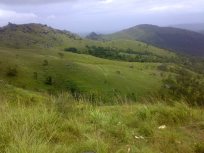
Himavad Gopalaswamy Betta: A Misty Marvel

Nestled amidst the picturesque hills near Mysore, Himavad Gopalaswamy Betta is renowned for its mist-covered peaks and panoramic views of the Bandipur Forest. Often referred to as Venugopalaswamy Betta, the name “Himavad” translates to "misty," perfectly describing the hill's enchanting ambiance.

Why Visit Himavad Gopalaswamy Betta?

  • Scenic Beauty: The hill offers breathtaking views of the lush Bandipur forest, making it a haven for nature enthusiasts and photographers.
  • Legendary Winds: The hill is famous for its gale-force winds, which have been known to carry away hats, jackets, and even small belongings!
  • Spiritual Significance: At the summit lies the ancient Venugopalaswamy Temple, dedicated to Lord Krishna, adding a spiritual touch to the visit.

Getting There

  • Distance: Approximately 90 kilometers from Mysore, the journey takes about 2 hours.
  • Best Mode of Travel: Bikes are ideal for this trip, as public transportation options are limited.

Visitor Tips:

  • Pack Essentials: Carry your own food and water, as amenities are scarce at the location.
  • Cleanliness: Help preserve the natural beauty of the hill by avoiding littering, especially as tourism increases in the area.
  • Best Time to Visit: Early mornings or during cooler months to enjoy the misty charm at its peak.

What Makes It Unique?

Himavad Gopalaswamy Betta isn’t just about its natural beauty; it’s an immersive experience of tranquility, spirituality, and adventure. Whether you're drawn by the serene temple, the sweeping views, or the misty allure, this hill promises an unforgettable escape into nature’s lap.


Friday, 26 September 2008

GRS Mysore


GRS Fantasy Park: Mysore's Ultimate Amusement & Water Park

Welcome to GRS Fantasy Park, Mysore’s premier amusement and water park with a touch of international flair. Perfect for a fun-filled family outing, this sprawling 30-acre park promises a day of excitement, relaxation, and unforgettable memories.

Why Visit GRS Fantasy Park?

  • For All Ages: With a variety of attractions, the park offers something for everyone—kids, teens, and adults alike.
  • Exciting Rides: From Dashing Cars to the classic Ferris Wheel, the park is packed with fun rides that keep the whole family entertained.
  • Water Adventures: Cool off with activities like:
    • Lazy River: Drift peacefully along the gentle currents.
    • Wave Pool: Experience the thrill of ocean waves and a relaxing beach vibe.
    • Surf Rides: Ride the waves and feel the adrenaline rush.

A Day to Remember

Whether you’re looking for high-energy adventures or a relaxing escape, GRS Fantasy Park caters to every mood. It's a perfect destination for family bonding, friend gatherings, or even solo fun.

Tips for Visitors:

  • Essentials: Bring swimwear, sunscreen, and towels for maximum enjoyment of water attractions.
  • Food Options: The park offers various eateries, so you don’t need to worry about packing meals.
  • Best Time to Visit: Weekdays to avoid crowds and make the most of your day.

At GRS Fantasy Park, you’re not just visiting a park—you’re stepping into a world of fantasy and fun that guarantees smiles for all!